The evolution of casinos a journey through time and culture
The Origins of Gambling
The roots of gambling can be traced back thousands of years, intertwining with the fabric of early human society. Archaeological evidence suggests that games of chance were played in ancient China, where tiles dating back to 2300 BC indicate the use of betting materials. Ancient civilizations, including the Greeks and Romans, embraced gambling as a form of entertainment, with various games evolving over time, establishing the foundation for modern casinos. In today’s landscape, visiting an official website is a great way to explore this evolution further.

In addition to providing entertainment, these early games served societal purposes, offering a way for communities to bond and engage in friendly competition. The intertwining of chance and skill began to shape cultural perceptions of gambling, setting the stage for its evolution throughout history and across different societies.
The Rise of Formal Casinos
The emergence of formal casinos began in the 17th century, particularly in Europe, where the first establishments dedicated solely to gambling began to take shape. The Ridotto in Venice, inaugurated in 1638, is often recognized as the first legal casino, showcasing games like card and dice games. These venues offered regulated environments for gambling, transforming the previously informal practice into a more structured and legitimate activity.
This period marked a significant cultural shift, as gambling became more socially accepted, appealing to various classes. The allure of casinos spread rapidly across Europe, leading to the establishment of iconic venues such as Casino de Monte-Carlo in Monaco, which not only offered games but also became symbols of luxury and sophistication.
The Expansion to America
The influence of European casinos extended to the Americas in the 19th century, as settlers brought their gambling traditions with them. The first casinos in the United States emerged during the Gold Rush, primarily in mining towns where fortune seekers engaged in games of chance. The establishment of larger, more organized casinos began to take shape in cities like New Orleans and later Las Vegas, which became the heart of American gambling culture.
The cultural acceptance of gambling in America evolved differently than in Europe, influenced by various factors including immigration patterns and local regulations. This complex landscape led to a diverse array of gambling experiences, from riverboat casinos to extravagant resorts, solidifying gambling’s place in American entertainment culture.
The Digital Transformation
The advent of the internet in the late 20th century revolutionized the casino industry, giving rise to online gambling platforms. The first online casino launched in 1994, allowing players to engage in their favorite games from the comfort of their homes. This transformation not only expanded the reach of gambling but also changed the way people interacted with casinos, creating a more accessible and diverse gaming experience.
As technology evolved, online casinos began to incorporate advanced security measures, live dealer games, and mobile compatibility, attracting a new generation of players. This digital evolution represents a significant cultural shift, where the convenience of online gaming has led to the blending of traditional gambling experiences with modern technology, reshaping player expectations and engagement.
Casinos in Contemporary Culture
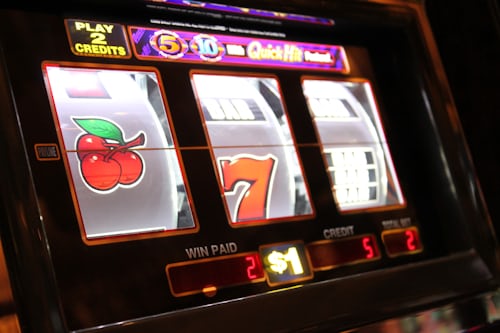
Today, casinos represent more than just a place to gamble; they are integral to entertainment and tourism. In places like Las Vegas, casinos are often part of larger resorts offering diverse experiences, from live shows to fine dining, making them cultural landmarks. The gambling industry’s legal landscape continues to evolve, with increasing acceptance and regulation contributing to the growth of both land-based and online casinos.
As the industry adapts to changing consumer preferences, the focus on responsible gaming and player protection has become paramount. Online platforms now offer comprehensive measures to ensure safe gambling practices, prioritizing player welfare while maintaining the thrill of gaming. As such, casinos today reflect the complexities of modern culture, balancing entertainment, regulation, and social responsibility.
Deixe um comentário